

Atlanta, GA — "When you're buying heroin with bank robbery money, you can afford a lot of heroin."
That's why Adam Meacham says he's okay with having been arrested after a short series of robberies that landed him in the dragnet of Roswell police and the FBI.
"I think I would have died," he says. "So I'm glad I got caught."
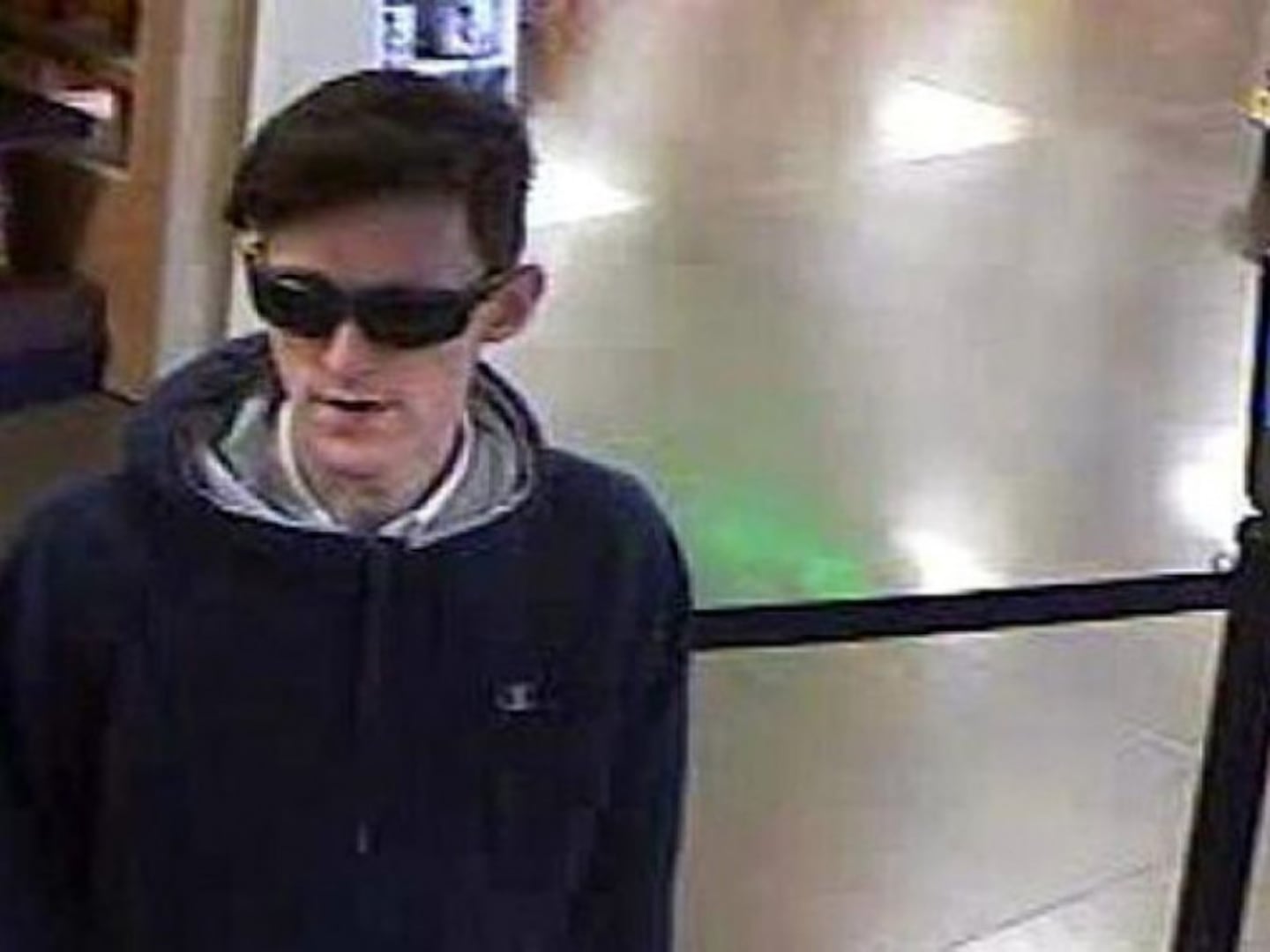
He was called the "photogenic bank robber" in 2011, but Meacham, now 34, says seeing the surveillance video of himself, giving a Roswell bank teller a demand note makes him sad.
"I look at those pictures and it makes me sick," Meacham tells WSB, pointing out his dyed-black hair and too-pale features. "I was 70 pounds lighter, and I looked like I was going to die."
Sitting at a coffee shop in north Fulton County, Meacham says if he's honest with himself, he always felt different. His father was out of the house a lot behind bars; his mom worked a lot. He had a lot of alone time. He tried drinking in middle school and was using hard drugs by the time he was 14; he just liked the feeling, he says. That led to a series of addiction-fueled crimes that landed him in and out of jail for years, where he served short stints and brushed up against the confrontational nature of life behind bars more than once.
By the winter of 2011, his drug habit was costing him $200 a day, although today, he is clearly hesitant to quantify it. What if, he wonders, hearing the dollar amount is harmful to someone else who then believes their drug use isn't as detrimental as his was, since they may not spend as much money on it? Is revealing that information anything other than a ‘wow’ factor? But that winter, the expensive habit led him to try to find a way to fund it.
"The thing that I remember the most about robbing the first bank was the feeling--like, I was terrified," he recalls. "I didn't want to do it, but I felt like I had to. And that's the thing I remember more than anything is this feeling is that 'I have to do this.' Almost like I would die if I didn't. I know that sounds absurd, but that's what it felt like. I had to.
"I had rent to pay, and I was a heroin addict."
He walked around for about 15 minutes, he says, at war with himself about going through with it and trying to talk himself out of it. He didn't.
He gave a teller a note, got money--he says he doesn't remember how much--and walked away. He went to retrieve the backpack he'd stashed on a college's campus nearby, hearing sirens headed toward the bank, and then headed to Perimeter Mall, expecting to blend into the crowds there.
The second and third times, however, he says it got a lot easier. Perhaps a month after the first one, Meacham committed another robbery. Then, maybe five days later, he says, the third one. While he threatened violence in his notes, he didn't actually carry a gun, but he agonizes over the fear his crime instilled back then.
Meacham's photo went out to the news media. The day he was captured in February of 2011, he says, he was picking up his then-girlfriend at Perimeter Mall, asking her what she wanted for dinner, when suddenly, "Everyone around me turned into a cop." He recalls seeing officers from at least three agencies and the FBI on the scene.
Behind bars, he learned that his father was the one who'd dropped a dime on him. His father--who had himself battled drug addiction and served time for robbing banks--wrote his son a letter behind bars, telling Adam how proud he was of him for "going big" when he decided to commit a crime.
Adam took a deal, pleading out to robbery by intimidation. He was sentenced to 10 years to serve three; he was behind bars less than two years. and got out of prison in late 2012.
"The psychological aftereffects are horrendous," he says, recalling that for six months afterward, he had a hair-trigger of a temper. Meacham repaid all the money in installments. He met a woman and they got married. He got sober shortly after he learned he was going to become a father. He'd used once after his release, and had run into trouble with the law again. The same judge he'd had on his criminal case sentenced him to five years' probation, concurrent with his parole.
When the marriage failed, Adam got custody of his now-kindergarten-age daughter, whom he adores.
"She's awesome. She's so cool," he gushes, swiping through photos of the smiling tot on his phone. "She's kind and loving, smart and hilarious--she's a great kid, man. I'm so lucky."
Adam's relationship was breaking up at the same time the opioid crisis was hitting hard. He went to 13 funerals in one year, he says, and decided to quit his job at a treatment center to go back to school. He took out "a bunch of loans" and enrolled at Kennesaw State University, where he is close to finishing his bachelor's degree.
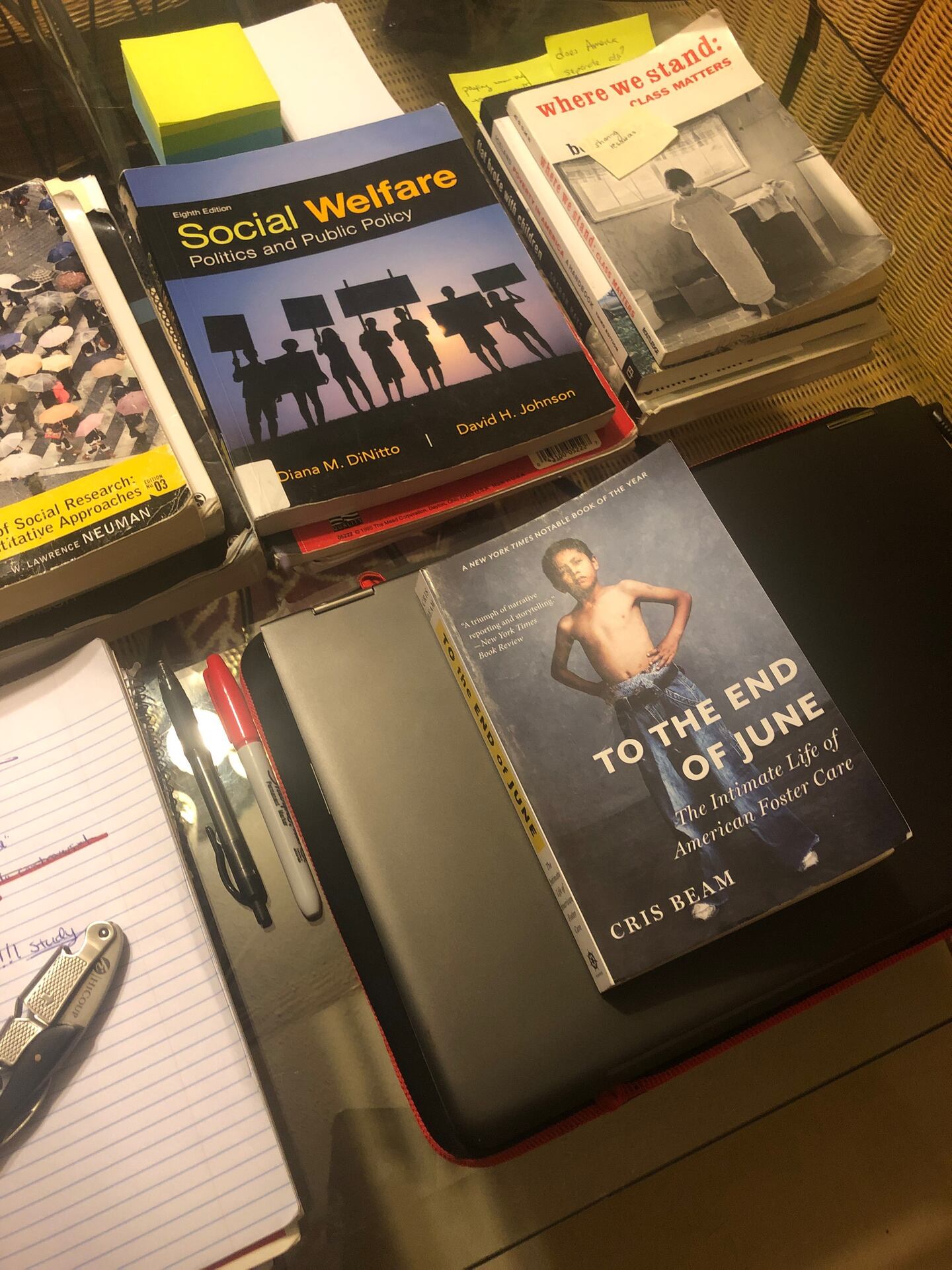
His goal is to get a master's degree in social work, then work in the prison system or in criminal justice reform.
"Maybe just having a non-judgmental in some of those men's lives will make a huge difference for them, even if they're never getting out one day," says Meacham.
He's quick to say that he's not trying to be anybody's inspiration--he's a realist.
"Look, I would love to inspire somebody. That would be really cool, right? That would be amazing, good for my ego," Adam chuckles. "But I don't think that's the right way to look at this stuff.
"I don't think anybody who's currently in the situation that I was in would tell you that 'a lack of inspiration' is one of their primary concerns. The issues are deeper than that. As much as I would love to take credit for my story turning out happier than some others, at the end of the day I believe that if I had been a young black man or a young Hispanic man, I would still be in prison. I think I've done a pretty good job at making good choices when the opportunity was given to me, but I also believe those opportunities were primarily presented to me because of my skin color."
Today, he calls himself "a big square." His old heroin addiction has been replaced with the need to make life good, safe, and secure for his little girl. He tries not to stress himself over making sure he has enough money for tuition, and making enough money to pay his student loans. He thinks about the way he will tell his story to his daughter one day and hopes to protect her, keep her feeling loved and wanted.
"I want to give her something that I didn't have, and I want her to be okay," says Meacham. "A lot of this is about her."
Click below for the radio version below: