

If your Christmas wish list includes getting a Burmese python or Argentine black and white tegu as a new pet, you better check with the state of Georgia first.
As of Sunday, expanded limits on animals that can be bought, sold or kept as pets in the state go into effect. It’s the first change to the Georgia Department of Natural Resources’ list since 1994.
Reason for the update - the growing threats to Georgia’s native species by invasive ones that are introduced. “The biggest thing with invasive species is to be as preventative as possible,” says Dr. Brett Albanese, assistant chief with the DNR’s Wildlife Resources division.
Changes to the list cover a wide range of wild animals - everything from mongooses to monk parakeets, silver carp to invasive crayfish.
Depending on the wild animal, restrictions can be everything from immediately illegal to possess, a grace period, or keeping the pet but with registration and tagging required.
Albanese tells WSB Radio six reptile species are now regulated on the updated list. “That includes Burmese pythons, Indian rock pythons, two species of turtles, Nile monitors, and Argentine black and white tegus.”
Albanese says tegus are especially troublesome for Georgia’s ecosystem, in particular in southeast Georgia where a population has set-up shop.
“They’re big-time predators on other species and also prey on their eggs. We just don’t want to have them impact our native fauna. They’re beautiful - understand why people want to have them as pets. But it’s the kind of animal that if you get into it you get more than you bargained for, and then all of a sudden you release it because you don’t know how to take care of it or you don’t want to - that can cause a lot of harm.”
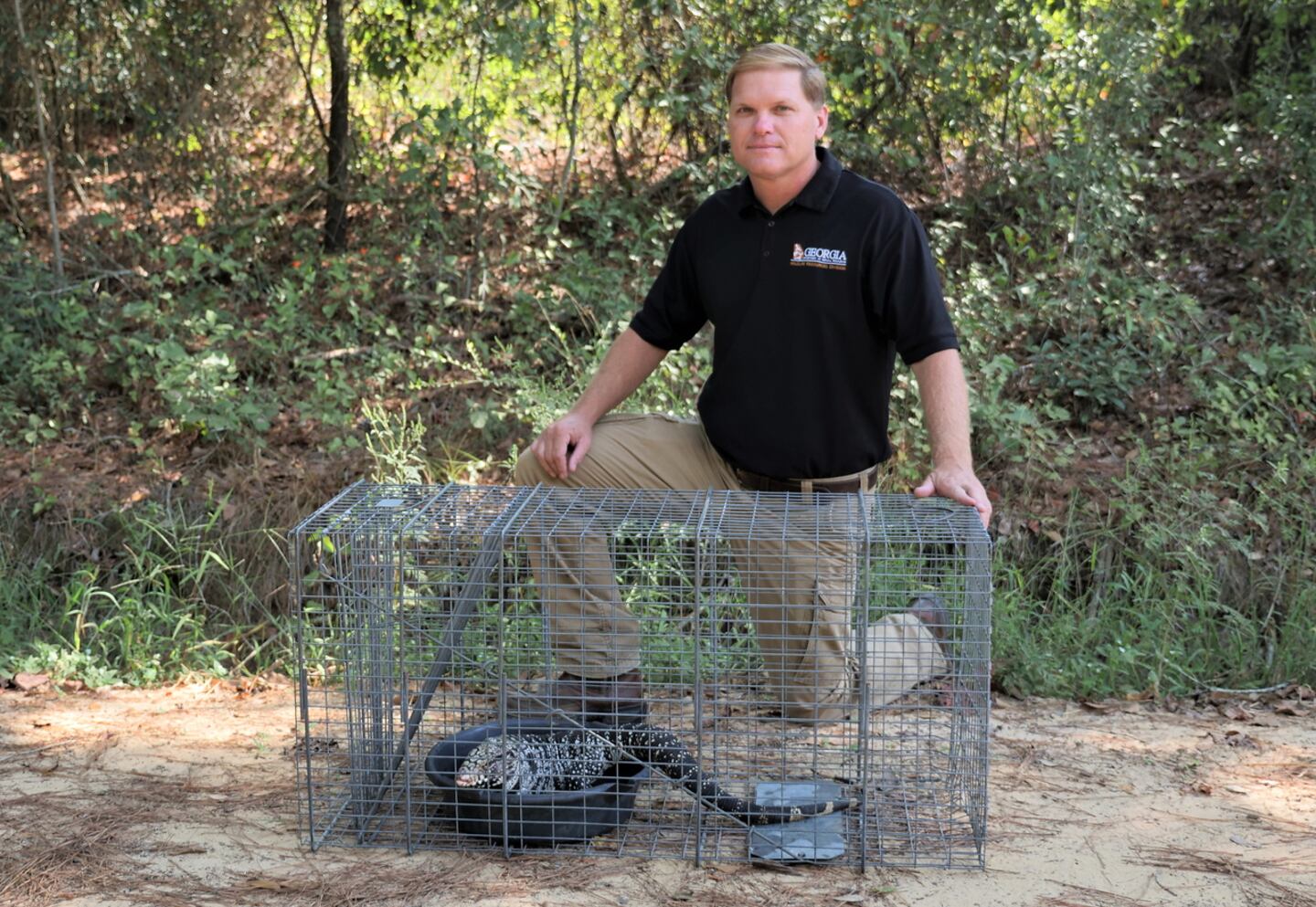
In the case of owners of tegus, here’s the good news. “There are people who have these pets already and they’re very responsible animal owners, and we’re grandfathering them in,” Albanese says. “What this regulation will do is going forward, you can’t bring more into the state, you can’t breed them. So, it kind of locks-in the number of pet tegus we have right now.”
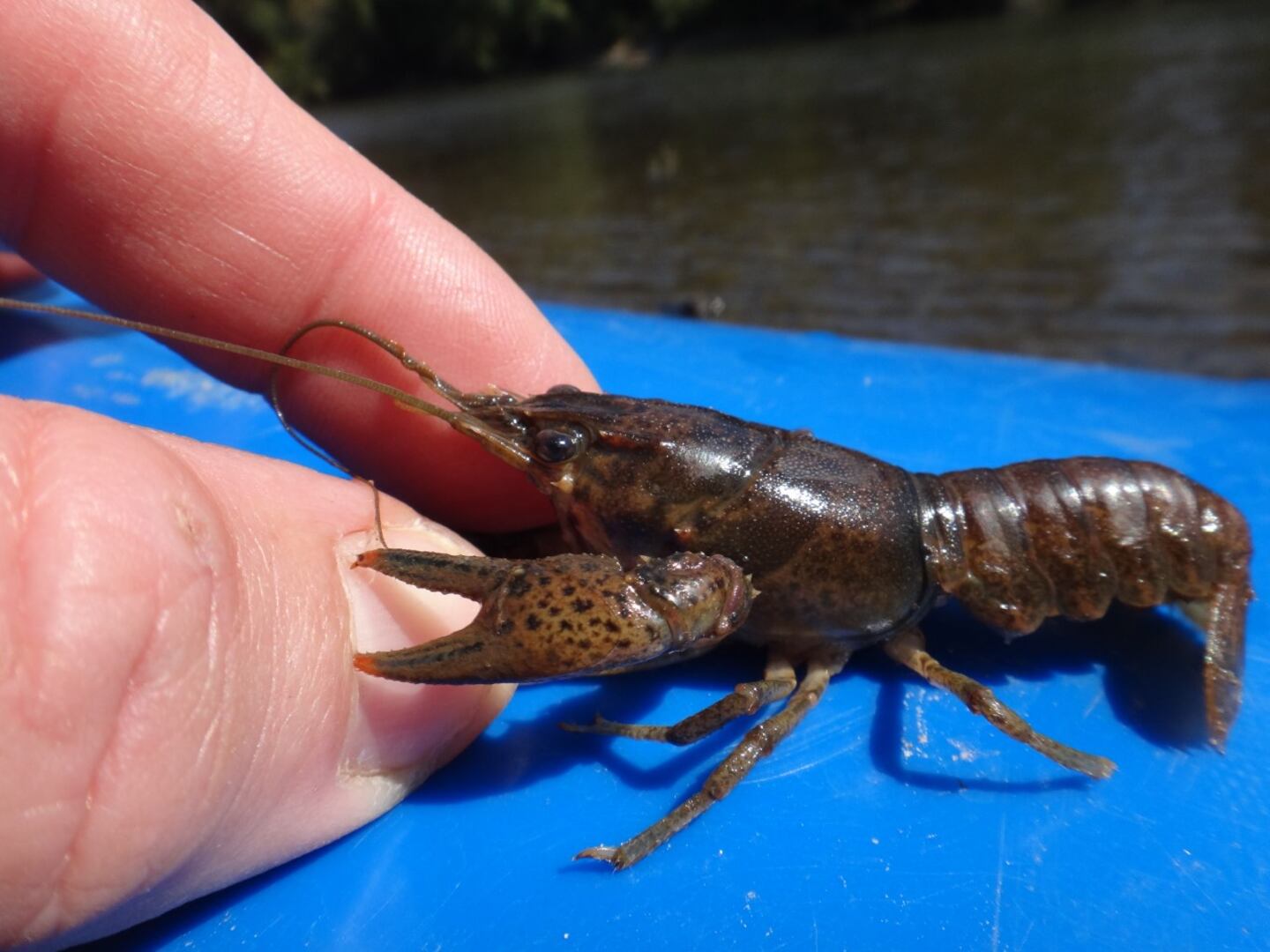
Albanese also makes special mention of crayfish, which in Georgia is diverse across 70 or so species. “People like to buy crayfish for pets, and some of those crayfish are really harmful. He notes one type of crayfish already introduced in the lower Flint River.
“When (invasive crayfish) get released, they can quickly out-compete the native crayfish, and they can also carry a lot of diseases.”
It took over a year for Georgia’s DNR, with help from other experts, to come up with this updated list. The big takeaway he wants Georgians to know:
“If it’s a newly-listed species, (it’s) basically a year (for people) to come into compliance and the law. And what that means is if you’ve got one of the reptiles you have to have it tagged. But no one needs to dump their animals,” says Albanese.
“We want to help people come into compliance with this.”
For everything you need to know, visit https://georgiawildlife.com/wild-animal-rules
©2022 Cox Media Group





 Sign Up