

Immediate question I fielded this morning when I walked into the Newsroom: “What’s up with all of the fog lately?”
Fog is a cloud that develops here at ground level, so I won’t blame you if your head is “in the clouds” lately.
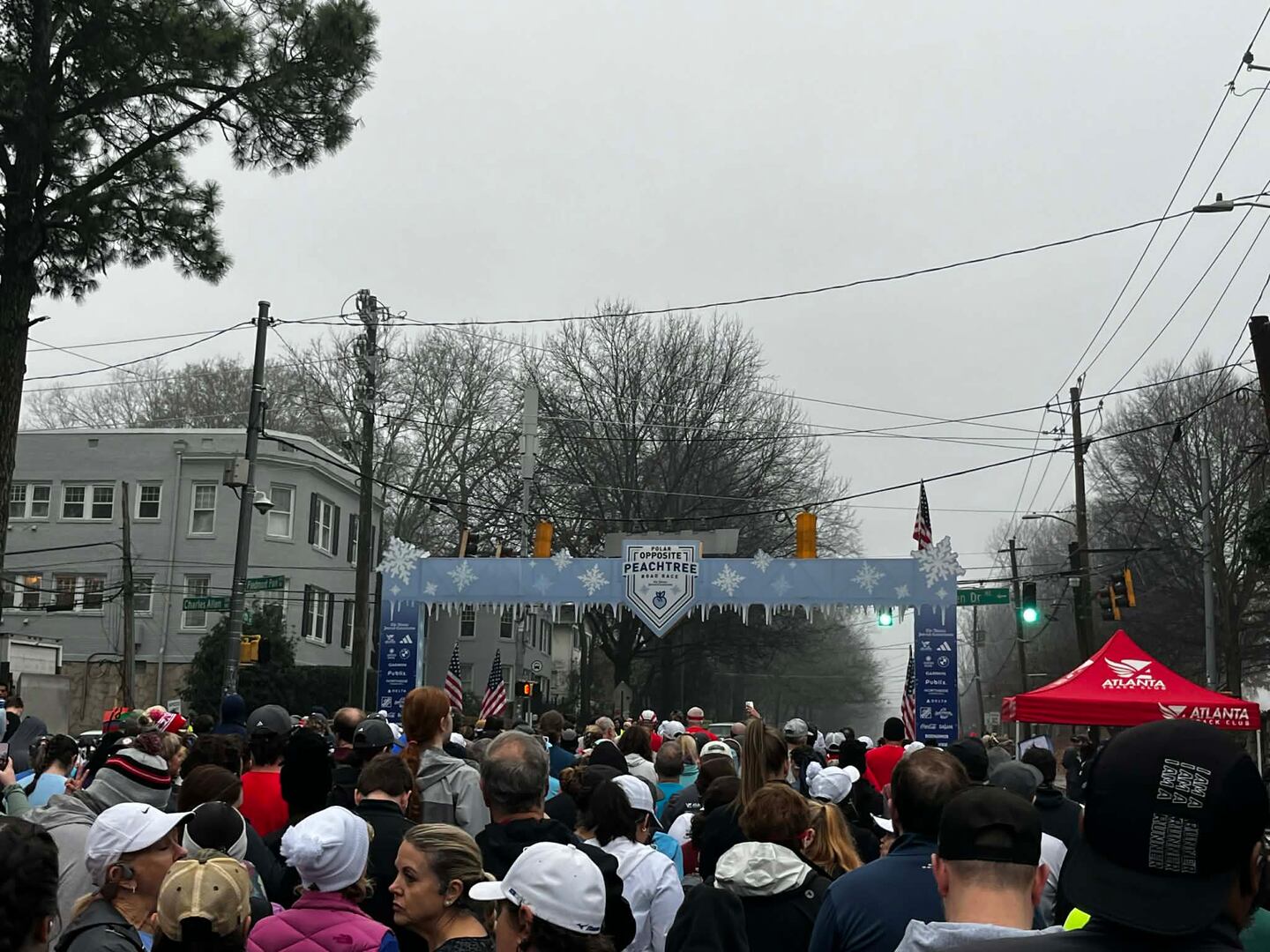
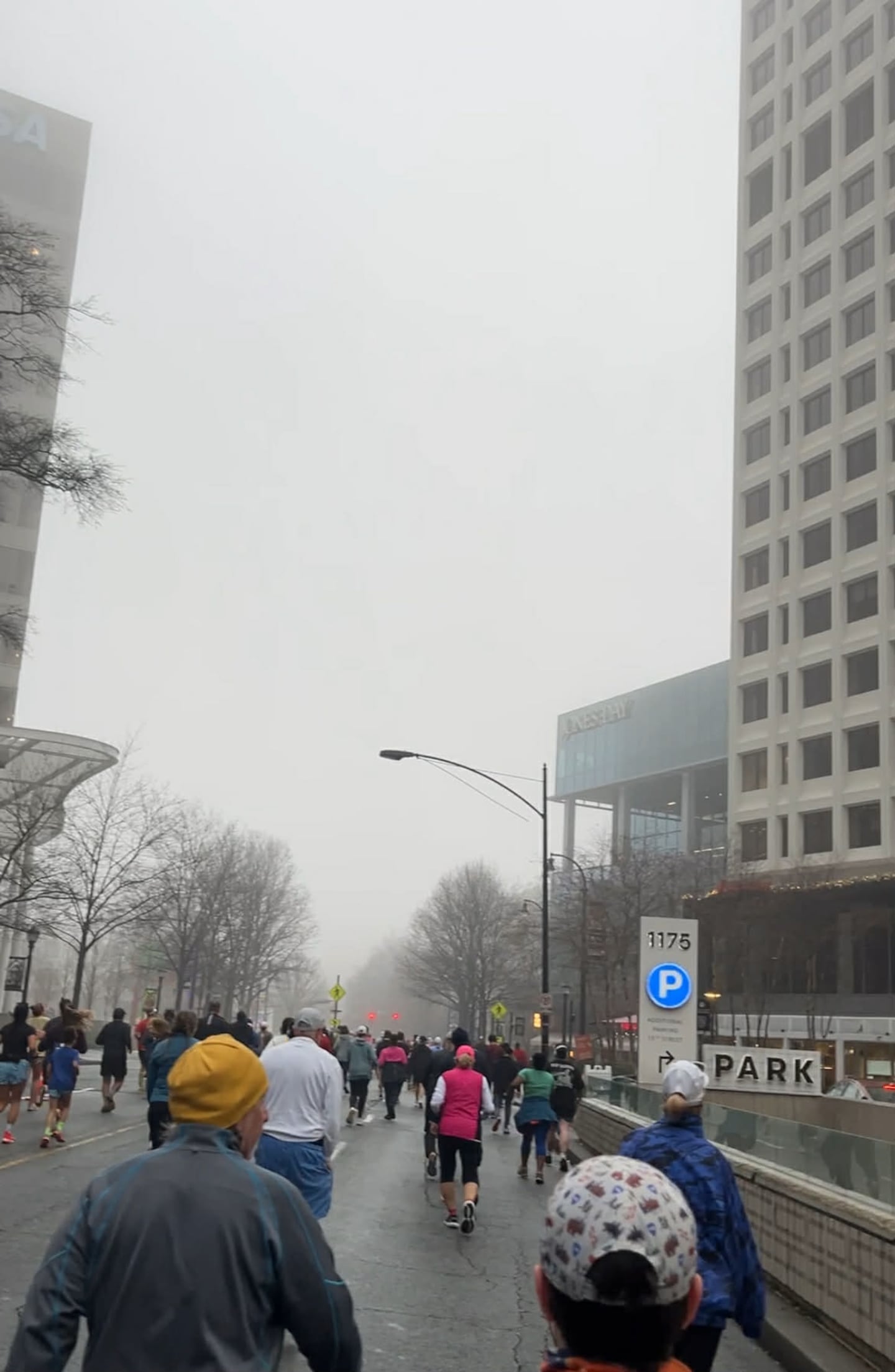
The Metro area experienced dense fog on Saturday morning as 9,000 runners traveled north on Peachtree Street for the Polar Opposite Peachtree Road Race.
Visibility was even worse on Monday morning, prompting a ground stop at Hartsfield Jackson International Airport.
✈️ Traffic Report: Low ☁️ could affect flights at @ATLairport, @CLTAirport, @iah, @HobbyAirport, @AustinAirport, @SATairport, @flySEA, @flyLAXairport, @SanDiegoAirport and @MCO.❄️, low ☁️ and low visibility reported at @BostonLogan. 🌬️ at @DENAirport and @flySFO.… pic.twitter.com/0w3uyvcJ9B
— The FAA ✈️ (@FAANews) January 5, 2026
And yet again, a Dense Fog Advisory was in effect for this morning.
So why has it been so foggy lately?
Let me ask you this: Have you noticed how it’s damp in the mornings, and humid through the afternoons?
The southern breeze has pulled warm, humid air into the Metro Atlanta area on a daily basis, beginning over the weekend. The animation below illustrates the Futurecast dewpoint, which is a measure of the atmospheric moisture in the air. The higher the dewpoint, the more moisture -- or humidity -- in the air.

The humid air (top) corresponds to the lower visibility at night and in the morning hours in the Futurecast visibility animation below.
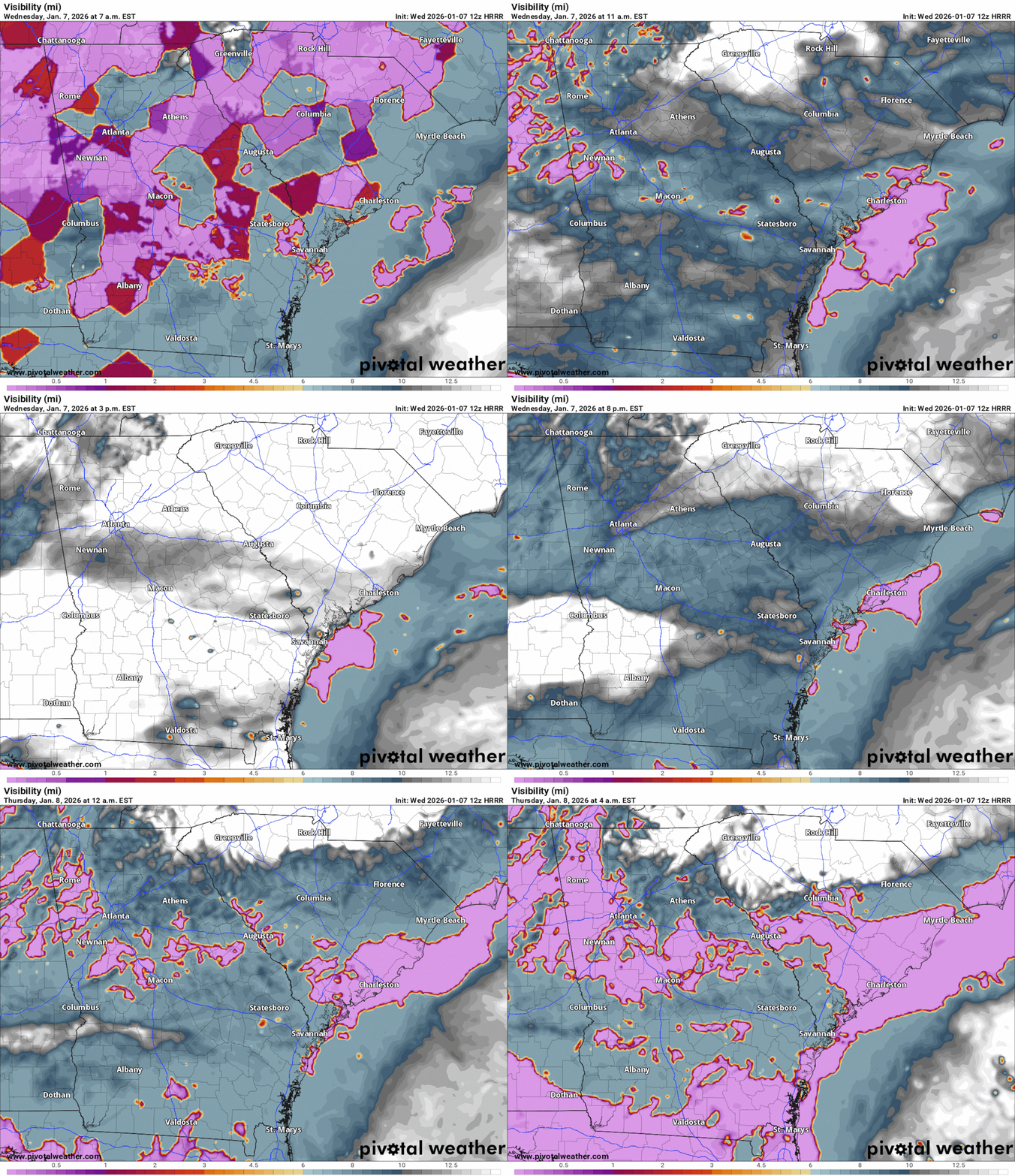
We notice the fog late at night and into the morning hours, but by the afternoon, the fog lifts away.
This is because the air temperature is usually the lowest, or coolest, in the morning hours when we lack sunlight.
When the surface air temperature cools and is equal to the dewpoint, all of the water vapor (gas) in the air condenses into water droplets that remain suspended just above the ground.
This is why we tend to experience foggy morning commutes, but clearer conditions in the afternoon.
What is Ice Fog? What is Freezing Fog?
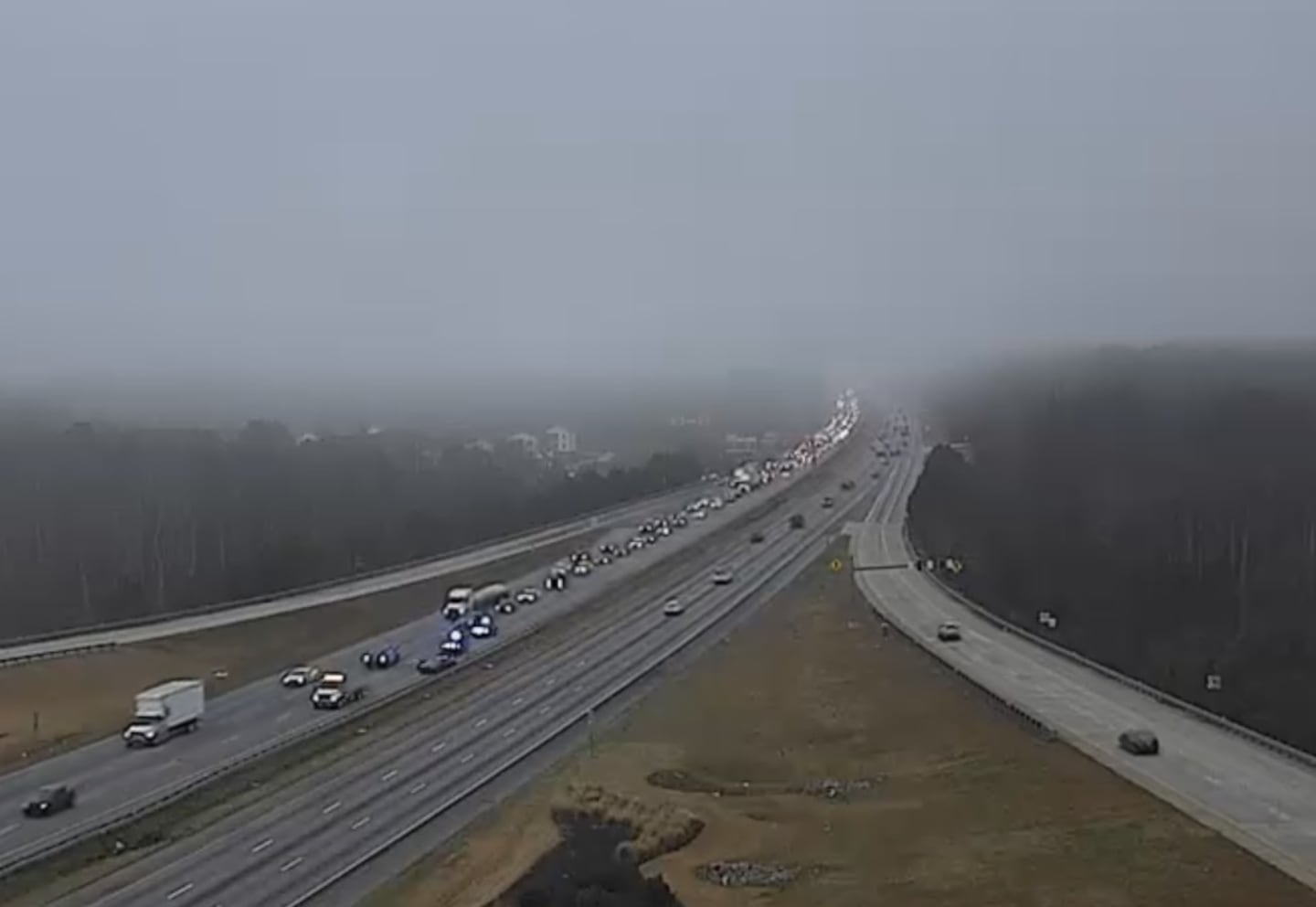
Temperatures (and dewpoints) this morning were above freezing. If they were at or below freezing, we would have ice fog.
Occasionally, we experience freezing fog, which occurs when we see the fog because it is made of supercooled water droplets (water that is still liquid while temperatures are below freezing). The water droplets make contact with something like a car or bridge, and the water droplets instantly freeze on contact, creating a glaze. So freezing fog “looks like fog” but “acts like freezing rain”.
I hope this explanation helps! Or was it clear as mud? Anyone feeling hazy about it?!
Share Your Fog Photos With Me!
Facebook: Christina Edwards WSB
Instagram: ChristinaWSBwx
Twitter: @ChristinaWSBwx
TikTok: @ChristinaEdwards955WSB
©2026 Cox Media Group